Key Highlights
- Paddle sludge dryers are highly efficient for reducing the volume of industrial and municipal sludge.
- The technology works on the principle of indirect heat transfer, which improves energy efficiency and product quality.
- When choosing a manufacturer, consider engineering quality, design innovation, and customization options.
- Leading Indian manufacturers like AS Engineers offer high-quality, reliable, and customizable paddle dryers.
- These dryers serve various industries, including wastewater treatment, chemical, pharmaceutical, and food processing.
- Paddle dryers offer significant advantages over conventional methods, including lower operational costs and a smaller environmental footprint.
Introduction
Welcome to your comprehensive guide on paddle sludge dryers in India! If your industry deals with high-moisture waste, you know how challenging and costly disposal can be. Effective industrial waste management is crucial, and that’s where modern technology steps in. An efficient paddle dryer is a game-changer for sludge drying, transforming wet, difficult-to-handle material into dry, manageable solids. This guide will walk you through how these machines work, their benefits, and how to choose the best manufacturer for your needs.
Overview of Paddle Sludge Dryers in India
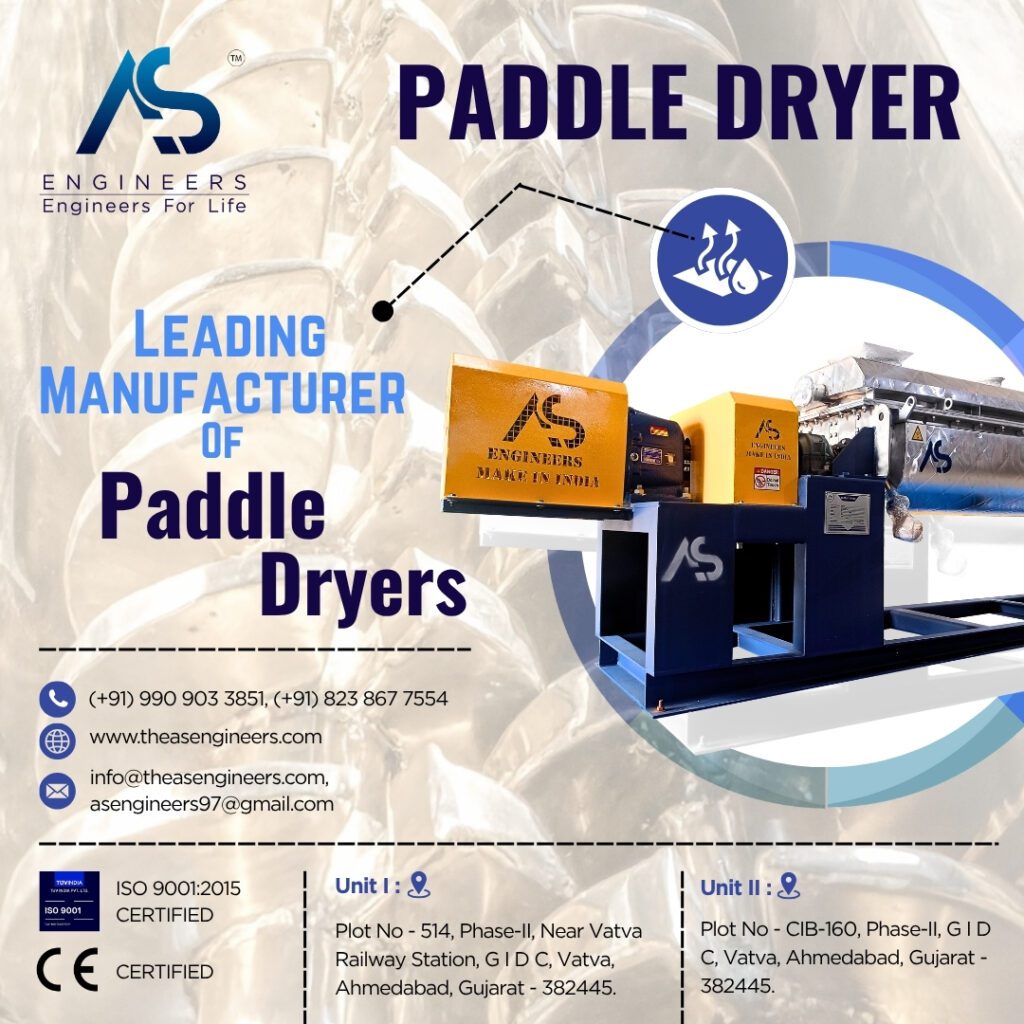
A paddle sludge dryer is an indirect conduction heating device designed to dry materials like paste, powder, and granules. It uses rotating, heated paddles to agitate the industrial sludge, breaking it down into smaller particles and continuously exposing new surfaces to the heat.
This process efficiently reduces the moisture content, making it a vital tool for sludge management in India. Several top-tier Indian companies, including AS Engineers, manufacture this advanced equipment, providing robust solutions for various industrial sectors across the country. We will explore these leading manufacturers later on.
The Role of Paddle Sludge Dryers in Industrial Waste Management
In the world of industrial waste management, sludge is a persistent challenge. Treatment plants in chemical, pharmaceutical, and municipal sectors produce massive quantities of wet sludge that is heavy, bulky, and expensive to transport and dispose of. A paddle dryer directly addresses this problem by significantly reducing the volume and weight of the sludge.
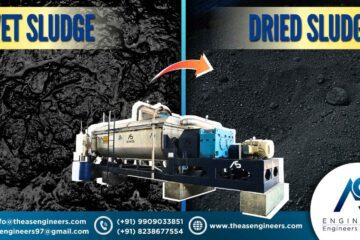
The sludge drying process transforms wet cake into a dry, granular product. This reduction in volume can lower your disposal costs by up to 50%, offering a quick return on investment. By making the waste lighter and more compact, you simplify handling and transportation, making your entire waste management process more streamlined and cost-effective.
Furthermore, the dried sludge can sometimes be repurposed. For example, it can be used as a biofuel, creating a Class A biosolid suitable for use as a fertilizer. This turns a waste product into a valuable resource, contributing to a more circular and sustainable economy. The main benefit over other types is this high efficiency in a compact, enclosed system.
Growing Demand for Efficient Sludge Drying Solutions
The need for effective sludge drying solutions is on the rise. As environmental regulations become stricter and the cost of landfilling industrial waste increases, companies are actively seeking more efficient and sustainable methods for wastewater treatment and sludge management. Traditional disposal methods are no longer viable for many businesses.
Dealing with materials that have a high moisture content is a major operational hurdle. Paddle dryers are designed specifically for this challenge, offering a reliable way to process sludge with minimal energy consumption compared to other drying technologies. Their enclosed design also minimizes odors and emissions, helping plants meet environmental compliance standards.
Paddle sludge dryers perform exceptionally well in specific applications. They are ideal for municipal and industrial wastewater treatment plants, where large volumes of sludge are generated daily. They are also highly effective in the chemical, pharmaceutical, and food processing industries, where they can dry sensitive materials without compromising product quality.
How Paddle Sludge Dryers Work
At its core, paddle dryer technology relies on indirect heat transfer. Instead of blowing hot air over the material, the dryer uses heated surfaces to conduct heat directly into the sludge. This method is key to its high thermal efficiency.
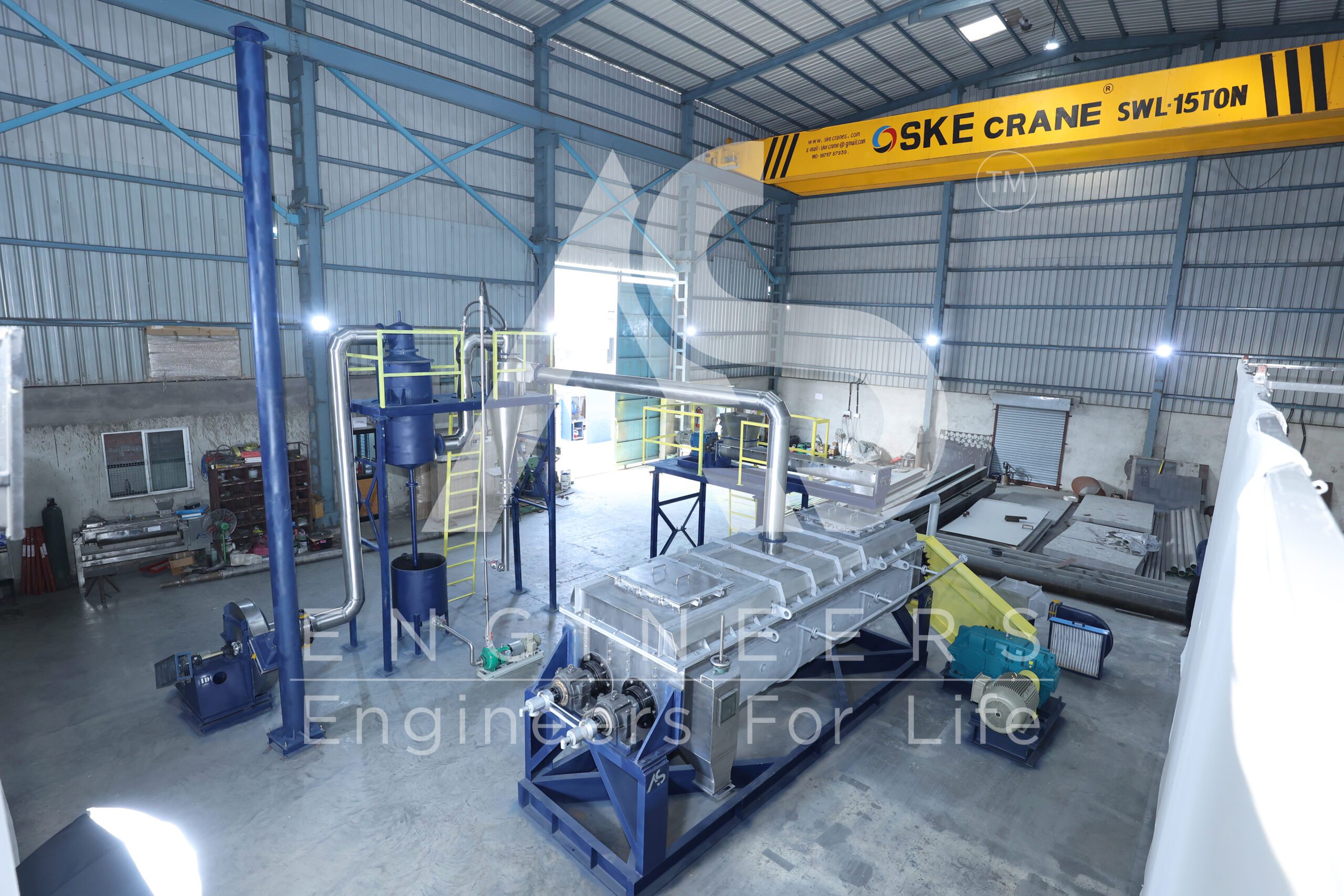
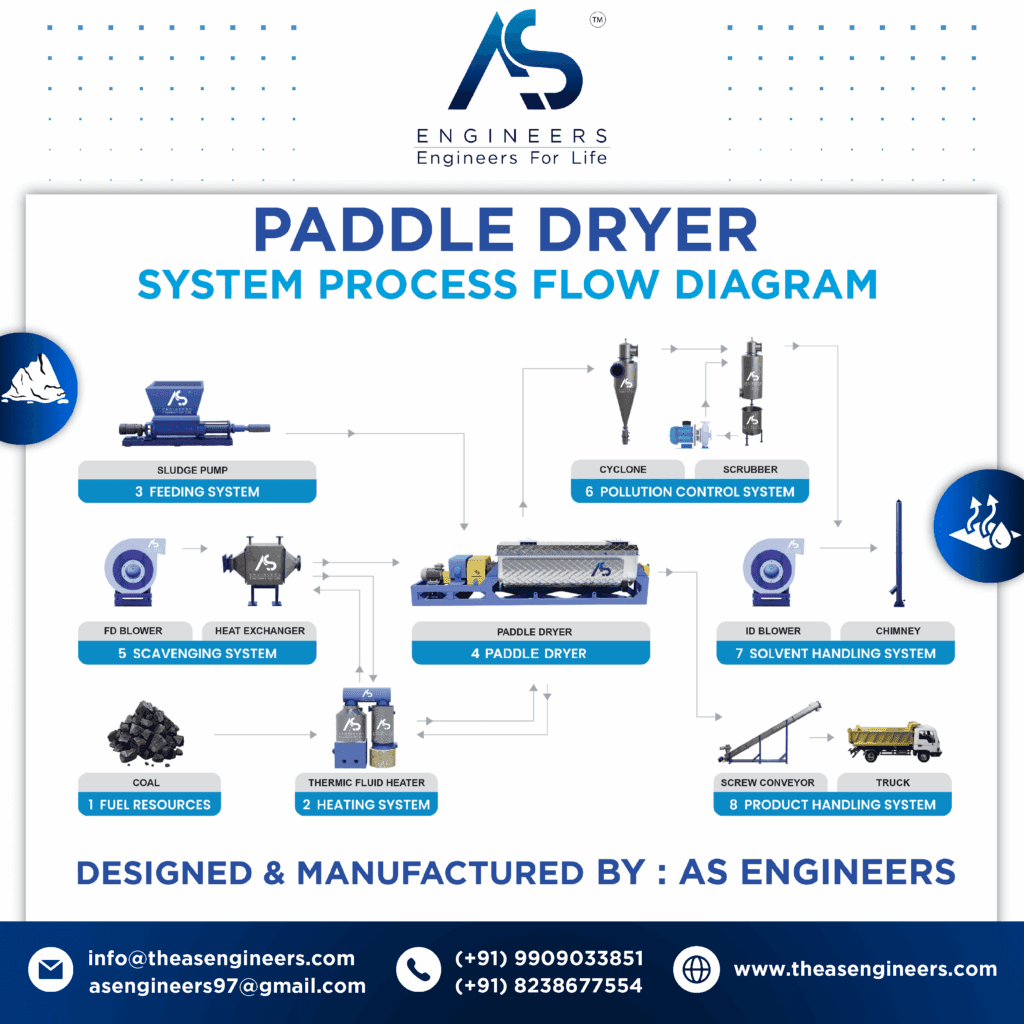
The drying process involves feeding wet material into a trough where rotating, hollow paddles mix and move it along. A heating medium, like steam or hot oil, circulates through these paddles and an outer jacket, efficiently drying the sludge and reducing its moisture content. The following sections will provide a closer look at the principles and efficiencies of this process.
Core Principles of Paddle Sludge Dryer Operation
The fundamental principle of a paddle sludge dryer is indirect drying through conduction. Imagine cooking in a frying pan – the heat is transferred directly from the pan’s surface to the food. Similarly, in a paddle dryer, the heat is transferred from the metal surfaces of the paddles and the trough’s jacket directly to the sludge.
The process uses various heating media, such as steam, hot water, or thermal oil. This heating medium is circulated through the hollow shafts and the wedge-shaped paddles, as well as the jacket of the dryer. This design maximizes the heat transfer surface area within a compact machine, ensuring that heat is distributed uniformly throughout the material.
The unique paddle design is crucial. As the dual shafts counter-rotate, the intermeshing paddles continuously agitate and mix the sludge. This action breaks up clumps, prevents material from sticking, and constantly exposes new, wet surfaces to the heated metal. This self-cleaning effect maintains high heat transfer rates and ensures a consistent and efficient drying process.
What Makes Paddle Sludge Dryers Efficient for Industrial Use
The efficiency of paddle sludge dryers in industrial settings comes from several key design features that promote high heat transfer efficiency and low energy consumption. Since the system is enclosed and doesn’t require large volumes of air to carry heat, thermal losses are minimal. Nearly all the energy from the heating medium is transferred directly to the sludge.
This direct conduction method is far more efficient than convection drying, which relies on hot air. The result is a significant reduction in energy costs. Additionally, the ability to adjust the paddle rotation speed allows operators to control the residence time, ensuring the material is dried to the desired level of dry solids without wasting energy.
Here’s a quick look at what makes them so efficient:
- High thermal efficiency (often up to 98%) due to indirect heating.
- Low energy consumption because minimal gas is required.
- Compact design with a large heat transfer surface area in a small volume.
- The self-cleaning action of the paddles maintains optimal heat transfer.
Major Features to Consider When Choosing a Paddle Sludge Dryer Manufacturer
Selecting the right paddle dryer manufacturer is as important as choosing the technology itself. You need a partner who can deliver exceptional product quality and has a deep understanding of engineering principles. Look for a manufacturer that can tailor the equipment to your specific requirements.
Whether you need a dryer made from carbon steel, stainless steel, or another alloy, the manufacturer should offer options that match your material’s properties. Key factors to evaluate include the manufacturer’s design capabilities, their commitment to energy efficiency, and their overall reputation. Let’s explore these features in more detail.
Design Innovations and Engineering Quality
When you assess a paddle dryer, the engineering quality is paramount. A well-built machine ensures long-term mechanical integrity, even under harsh operating conditions. Look for robust construction, with heavy-duty shafts, bearings, and drive components designed for durability. AS Engineers is a top paddle sludge dryer manufacturer known for its superior engineering and quality equipment.
The paddle design itself is a critical element. Top manufacturers offer specialized wedge-shaped paddles that not only provide efficient heat transfer but also have a self-cleaning effect. This prevents material from building up and reducing efficiency. The overall design should also be compact, offering a large heated surface area in a small footprint, saving valuable floor space in your facility.
Finally, consider the manufacturer’s ability to innovate. Leading companies invest in research and development to improve their designs, such as offering two-temperature-zone configurations or creating quickly replaceable wear parts to reduce downtime. This commitment to innovation ensures you are investing in state-of-the-art, quality equipment.
Energy Efficiency and Environmental Benefits
One of the most compelling reasons to choose a paddle sludge dryer is its outstanding energy efficiency. The indirect drying method ensures that almost all the thermal energy is used for evaporating water, leading to significantly lower energy consumption compared to direct dryers. This high thermal efficiency translates directly into lower operational costs.
The environmental benefits are also substantial. Because the system is enclosed and uses very little sweep gas, the volume of exhaust gas is minimal. This reduces the size and cost of any required air pollution control equipment. For applications involving solvents, the enclosed design is ideal for solvent recovery, preventing harmful emissions and allowing for reuse.
The positive environmental impact is clear:
- Reduced energy consumption lowers your carbon footprint.
- Heat recovery from the condenser can be used elsewhere in the plant.
- Enclosed systems minimize dust, odor, and emissions.
- Sludge volume reduction means fewer trucks on the road and less landfill space used.
Comparing Paddle Sludge Dryers with Other Technologies
When evaluating solutions for your drying process, it’s helpful to understand how a paddle sludge dryer stacks up against other types of dryers. Technologies like rotary dryers and thin film sludge dryers also offer solutions for sludge management, but they operate on different principles and have distinct advantages and disadvantages.
A paddle dryer’s main competitors in the indirect drying space are thin film sludge dryers. Both use heated surfaces, but their mechanical designs and maintenance requirements differ significantly. Understanding these differences will help you determine which technology is the best fit for your specific application and operational goals.
Paddle Sludge Dryers vs. Thin Film Sludge Dryers
While both paddle dryers and thin film sludge dryers are indirect dryers that can use heating media like thermal oil or steam, their core difference lies in their mechanical agitation systems. A paddle dryer uses a dual-auger (paddle) configuration, whereas a thin film dryer uses a single rotor with blades.
In a paddle dryer, the heated dual augers move and mix a relatively thick layer of sludge. In contrast, the single rotor in a thin film dryer is designed to create a very thin layer of sludge against the heated wall, which allows for efficient heat transfer without needing to heat the rotor itself. This fundamental difference affects maintenance, footprint, and operational complexity.
The dual-auger system of a paddle dryer is very electrically efficient and has a small horizontal maintenance footprint. However, the single-rotor design of a thin film dryer often allows for simpler maintenance, as a single rotor is easier to remove and service than synchronizing dual augers.
Advantages Over Conventional Drying Methods
Paddle sludge dryers offer a host of advantages over conventional drying methods, such as direct-contact rotary dryers that use hot air. The most significant benefit is the efficiency of the indirect heat transfer. By conducting heat directly into the material, the drying process is faster and consumes far less energy.
This efficiency is enhanced by the machine’s compact design. A paddle dryer packs a very large heat transfer surface area into a small volume, meaning it takes up less floor space in your plant compared to other dryers with the same capacity. This is a huge plus for facilities with limited space.
The enclosed system also leads to lower maintenance costs and a safer working environment.
- Minimal Dust and Emissions: The enclosed design contains dust and odors.
- Lower Energy Costs: High thermal efficiency reduces fuel consumption.
- Consistent Product Quality: Gentle, uniform heating prevents overheating and produces a homogenous final product.
- Process Flexibility: Can handle a wide variety of materials, from pastes to powders.
Leading Paddle Sludge Dryer Manufacturers in India
Finding a reliable paddle dryer manufacturer in India is crucial for ensuring you receive quality equipment that meets your operational needs. The Indian market has several strong players known for their engineering expertise and commitment to customer service. These companies offer a range of paddle dryer models designed for different capacities and industrial applications.
When you search for a supplier, you’re not just buying a machine; you’re investing in a long-term solution. A reliable supplier will provide not only the equipment but also installation assistance, after-sales support, and spare parts. The next sections will introduce you to some of the most trusted names in the industry.
AS Engineers: Trusted Paddle Sludge Dryer Manufacturer
When it comes to top-tier manufacturers, AS Engineers stands out. As a top paddle sludge dryer manufacturer in India, AS Engineers has built a strong reputation for delivering high-performance, custom-engineered solutions. Their focus on innovation and quality ensures that each paddle dryer is tailored to the client’s unique process requirements.
Their commitment to excellence is reflected in their quality equipment, which is designed for durability and low maintenance requirements. By using premium materials and advanced fabrication techniques, AS Engineers builds machines that withstand demanding industrial environments, minimizing downtime and maximizing productivity for your operations.
Furthermore, AS Engineers provides comprehensive support, from initial consultation and design to installation and after-sales service. With a ready supply of spare parts and a team of experienced technicians, they ensure that your equipment continues to operate at peak performance for years to come, making them a trusted partner for your sludge management needs.
Other Top Indian Companies in the Sector
Besides AS Engineers, the Indian market is home to other reputable paddle dryer manufacturers. Companies like Thermosag India and GTS Enviro are also recognized for providing quality equipment and contributing to the industry with their innovative solutions. These companies have extensive experience and serve a broad range of sectors.
These manufacturers are known for their ability to handle a wide range of materials and for their presence in major industrial hubs like Coimbatore, Chennai, and Bangalore. They often provide turnkey projects, covering everything from design and engineering to manufacturing and construction, ensuring a complete solution for their clients.
To find and contact a reliable paddle sludge dryer manufacturer near you, you can start by searching online for companies with a strong presence in the Indian market. Look for:
- Manufacturers with detailed websites showcasing their products and case studies.
- Companies that offer custom engineering and support.
- Suppliers with positive client testimonials and a proven track record.
- Businesses with accessible contact information and responsive sales teams.
Types of Paddle Dryers (including Hollow Paddle Dryer Variants)
While we often talk about the “paddle dryer” as a single category, there are variations, with the hollow paddle dryer being the most common and effective type for sludge. This design is what gives the machine its exceptional heat transfer capabilities. The core of this dryer is its set of hollow paddles and hollow shafts, through which a heating medium flows.
These types of dryers are constructed from various materials to suit different applications, with stainless steel and carbon steel being common choices. Stainless steel is often used for corrosive materials or in food and pharmaceutical applications to prevent contamination. The hollow paddles are precisely arranged on the shafts to ensure thorough mixing and efficient, uniform drying. The primary benefit of this design is maximizing the heated surface area that comes into direct contact with the material, which is the key to its high efficiency.
Customization Options in Paddle Sludge Dryers
Absolutely! One of the greatest strengths of paddle sludge dryers is their high degree of customization. A one-size-fits-all approach doesn’t work for industrial processes, and leading manufacturers understand this. They work with you to design a dryer that meets your specific requirements, ensuring optimal performance and product quality.
This customization extends to materials of construction, heat transfer area, and overall capacity. Whether you need a small batch dryer or a large continuous system, manufacturers can offer flexible capacities and designs. This process adaptability makes the paddle dryer a versatile solution for countless industrial needs.
Tailoring Solutions for Diverse Industrial Needs
Customization is key to unlocking the full potential of paddle dryer technology. Each industry has unique challenges, and a tailored solution addresses these specific requirements head-on. For example, in food processing, a dryer might be built with vacuum-sealed construction and made from food-grade stainless steel to handle sensitive materials like starches or flours.
For municipal or industrial treatment plants, the focus might be on maximizing volume reduction and durability. In this case, the dryer can be designed with abrasion-resistant coatings to handle gritty sludge. The system can also be configured to use waste heat from another part of your plant as the heating source, further improving overall energy efficiency.
Manufacturers can also adjust the paddle design, rotation speed, and trough geometry. If your material is particularly sticky, a specific paddle configuration can be used to prevent buildup. This ability to tailor the machine ensures that you get a solution that is perfectly matched to your material and process goals.
Flexible Capacities and Process Adaptability
Process adaptability is a hallmark of modern paddle dryers. Manufacturers offer a wide range of flexible capacities, from small systems processing 50 kg/hr to large industrial units handling over 2000 kg/hr. This scalability allows businesses of all sizes to find a suitable solution.
The adaptability also comes from the ability to control key process variables. You can adjust the residence time by changing the overflow weir height or the paddle rotation speed. This gives you precise control over the final moisture content. A larger heat transfer area can be designed for materials that are more difficult to dry, ensuring efficient performance across a wide range of materials.
This flexibility is crucial for managing operational costs. By optimizing the drying process for your specific material, you can avoid over-drying, which wastes energy, or under-drying, which fails to meet disposal or product quality requirements. This level of control ensures your paddle dryer operates at peak efficiency, whatever the task.
Industries Benefiting Most from Paddle Sludge Dryers
A wide array of industries relies on paddle sludge dryers to solve their waste management and processing challenges. These machines are not just for one type of sludge; their versatility makes them a valuable asset across many sectors.
The most common applications are found in municipal and industrial wastewater treatment plants. However, their use extends far beyond that. The chemical processing, pharmaceutical, and food processing industries also benefit immensely from this technology, as do facilities handling municipal solid waste and agricultural byproducts. Let’s look at how they are used in these key areas.
Municipal Wastewater Treatment
Municipal wastewater treatment plants are perhaps the biggest beneficiaries of paddle dryer technology. These facilities generate enormous quantities of sewage sludge daily, and managing it is a major logistical and financial burden. A paddle dryer provides an effective and efficient solution for sludge management.
The drying process can take sludge with high moisture content and dry it to 90% dry solids. This reduces the sludge volume by a factor of four or five, drastically cutting down on transportation and disposal costs. The resulting dry, granular product is classified as Class A biosolids, which are safe to handle and can be beneficially reused as fertilizer or as a fuel source in waste-to-energy plants.
Furthermore, paddle dryers are valued in this sector for their reliability and low maintenance requirements. Their robust construction and slow-rotating parts mean less wear and tear, ensuring continuous operation, which is critical for a municipal facility that runs 24/7. The enclosed system also effectively controls odors, a major concern for plants located near residential areas.
Chemical, Pharmaceutical, and Food Processing
In the chemical industry, paddle dryers are used to process a variety of materials, including polymers, metal powders, salts, and gypsum. Their ability to operate in an inert environment and handle potentially hazardous materials safely makes them an ideal choice. The precise temperature control prevents unwanted chemical reactions or degradation of the final product.
For pharmaceuticals, maintaining product quality and preventing contamination are the top priorities. The indirect, gentle heating of a paddle dryer is perfect for sensitive active pharmaceutical ingredients (APIs). The enclosed system ensures a sterile environment and prevents cross-contamination, which is essential for meeting strict regulatory standards.
The food processing industry uses paddle dryers for applications like roasting, sterilization, and drying food waste or byproducts like starches and flours. Because the material does not come into direct contact with combustion gases, the taste and nutritional value of the product are preserved. The ability to control the final moisture content ensures consistent product quality every time.
Evaluating Cost and Pricing Factors for Paddle Sludge Dryers
When considering an investment in a paddle sludge dryer, it’s important to look beyond the initial purchase price. The total cost of ownership includes the initial capital outlay as well as long-term operational costs and maintenance costs. A cheaper machine might end up costing you more in the long run if it’s inefficient or unreliable.
The price range for these dryers can vary widely based on size, materials, and customization. The real economic benefit comes from reduced disposal costs and lower operational expenses over the machine’s life. The following sections will break down the pricing factors and what contributes to the total cost.
Price Range of Paddle Sludge Dryers in India
Determining an exact price range for a paddle dryer in the Indian market is difficult without a specific inquiry, as the cost is highly dependent on your unique requirements. The final price is influenced by several factors, including the dryer’s capacity, the materials of construction, the complexity of the control system, and any additional features.
A smaller, standard-capacity paddle dryer made from carbon steel will be at the lower end of the price range. A large-capacity, highly customized unit made from a special alloy like Hastelloy for corrosive materials will be at the higher end. Investing in quality equipment from a reputable manufacturer may have a higher upfront cost but often pays off through reliability and a longer lifespan.
To get an accurate price, it’s always best to contact manufacturers directly with your specifications. They can provide a detailed quote that covers the equipment, installation, and any necessary spare parts.
| Factor Affecting Price | Lower Price Range | Higher Price Range |
|---|---|---|
| Capacity | Small (e.g., 50-100 kg/hr) | Large (e.g., 1000+ kg/hr) |
| Material | Carbon Steel (MS) | Stainless Steel (SS), Hastelloy |
| Customization | Standard design | Fully customized, special features |
| Control System | Basic manual controls | Fully automated PLC system |
| Brand Reputation | Newer or smaller brands | Established, leading brands |
Factors Affecting Total Cost of Ownership
The total cost of ownership (TCO) provides a more complete picture of your investment than the sticker price alone. The most significant component of TCO is operational costs, which are primarily driven by energy consumption. An energy-efficient paddle dryer will save you a substantial amount of money over its life span.
Maintenance costs are another key factor. This includes the cost of routine service, spare parts, and any labor required for repairs. A well-engineered dryer with low maintenance requirements and durable parts will have a much lower TCO. For example, some new designs feature replaceable wear parts that significantly reduce the time and cost of major overhauls.
Finally, consider the expected life span of the equipment. A robustly built machine from a quality manufacturer may last for 20 years or more, while a cheaper alternative might need replacement much sooner. Factoring in reliability, efficiency, and longevity will help you make the most economically sound decision for your business.
Paddle Dryer Export/Global Reach
The expertise of Indian manufacturers in paddle dryer technology isn’t limited to the domestic market. Many leading companies have a significant global reach, exporting their equipment to countries across the USA, Europe, Africa, and Southeast Asia. This growing export market is a testament to the high product quality and competitive pricing offered by Indian engineering firms. International clients trust these manufacturers for their ability to deliver robust, reliable, and efficient drying solutions that meet global standards.
This international presence also benefits domestic customers. A manufacturer with export experience is likely to adhere to stringent international quality standards like ASME and PED. When you’re looking to contact a reliable manufacturer, checking their export history can be a good indicator of their quality and reliability. You can typically find contact information, including email addresses and phone numbers, on their official websites, allowing you to easily request quotes or technical information.
Future Trends and Technological Developments in Paddle Sludge Dryer Technology
The future of paddle dryer technology is focused on even greater efficiency, intelligence, and sustainability. Manufacturers are continuously exploring new innovations to push the boundaries of performance. One major trend is the integration of digital technologies, or Industry 4.0. This includes smart sensors for predictive maintenance, advanced automation for process optimization, and remote monitoring capabilities. These features will make dryers easier to operate and more reliable.
Another key area of development is enhancing energy efficiency and sustainability. Expect to see more advanced heat recovery systems that capture and reuse waste heat, further reducing the carbon footprint of the drying process. Improvements in materials and manufacturing, such as the use of advanced alloys and coatings, will extend equipment life and improve performance in highly abrasive or corrosive applications. This focus on high thermal efficiency and process adaptability ensures the paddle dryer will remain a leading solution for years to come.
Conclusion
In conclusion, paddle sludge dryers are essential for efficient waste management across various industries. They not only enhance the drying process but also contribute to energy savings and environmental sustainability. By selecting the right manufacturer, like AS Engineers, you can ensure you receive a high-quality product backed by expertise and innovation. As demand grows for more effective sludge drying solutions, staying informed about technological advancements and customization options will benefit your operations. If you’re ready to explore how paddle sludge dryers can optimize your industrial processes, get in touch with us today!
Frequently Asked Questions
Can paddle sludge dryers be customized for specific industries?
Yes, customization is a key benefit. A paddle dryer can be tailored to meet the specific requirements of any industry, from food processing to chemical treatment plants. This includes adjusting the materials of construction, capacity, and paddle design to handle different types of sludge and achieve desired product quality.
Where can I find reliable reviews for paddle sludge dryer manufacturers?
To find reliable reviews, check for case studies and testimonials on a paddle dryer manufacturer’s website. You can also explore industrial trade publications and forums. The best approach is to ask a reliable supplier for client references so you can speak directly with companies who have experience with their quality equipment.
How do I contact top paddle sludge dryer manufacturers like AS Engineers?
Contacting a top paddle dryer manufacturer like AS Engineers is straightforward. Visit their official website to find their contact page, which typically includes a phone number, email address, and an inquiry form. This allows you to easily request information about their product quality and get a quote for your project.
What are the key features to look for when choosing a paddle sludge dryer manufacturer in India?
When choosing a paddle dryer manufacturer, prioritize product quality, robust engineering, and design innovations. Also, evaluate their commitment to energy efficiency, the availability of spare parts, and the level of after-sales support they offer. A good manufacturer will work with you to create a customized, high-performance solution.
How does the technology used by different paddle sludge dryer manufacturers impact efficiency and performance?
Paddle dryer technology from different manufacturers impacts performance through variations in paddle design, heat transfer efficiency, and control systems. Advanced designs improve thermal efficiency and reduce energy consumption. The quality of engineering and materials directly affects the machine’s reliability and ability to deliver optimal performance over its lifespan.
What are the benefits of using paddle sludge dryers in wastewater treatment processes?
In wastewater treatment, a paddle dryer dramatically reduces sludge volume by lowering its moisture content to high levels of dry solids. This significantly cuts down on handling and disposal costs. The enclosed system also minimizes odors and emissions, helping plants meet environmental regulations while improving operational efficiency.
Can you provide a comparison of pricing among top paddle sludge dryer manufacturers in India?
The price range for a paddle dryer in the Indian market varies widely based on capacity, materials, and customization. To get an accurate pricing comparison, it’s best to request detailed quotes from several top paddle dryer manufacturers based on your specific requirements for quality equipment and expected maintenance costs.