Dealing with wet sludge from wastewater treatment can be a major headache for industries and municipalities. It’s heavy, bulky, and expensive to get rid of. But what if you could change that? A sludge dryer offers a modern solution to this age-old problem. By using a thermal drying process, this equipment transforms wet sludge into a lightweight, dry material. This not only simplifies sludge management but also opens up new possibilities for cost savings and resource recovery.
Key Highlights
- A sludge dryer transforms wet sludge from wastewater treatment into a dry, manageable product.
- The drying process significantly reduces sludge volume, leading to lower disposal costs.
- Modern dryers improve energy efficiency and can even create valuable byproducts from the dried sludge.
- Choosing the right manufacturer ensures you get a customized solution with reliable after-sales support.
- Advanced features like automation and energy recovery make the sludge drying process more sustainable.
- Proper sludge management helps industries comply with environmental regulations and improve operational safety.
Understanding Wet Sludge Management in India
Wastewater treatment is essential for protecting our environment, but it produces a significant byproduct: wet sludge. This semi-solid residue, containing a high percentage of water, requires careful handling and sludge disposal. Proper sludge management is not just about getting rid of waste; it’s about doing so efficiently and responsibly.
Different industrial processes create various types of sludge, each with unique characteristics. Managing this waste effectively is a critical challenge across India, pushing facilities to find smarter solutions than simply hauling away heavy, water-laden material.
Challenges Faced by Industries and Municipalities
One of the biggest hurdles in waste management is the sheer volume and weight of wet sludge. Its high water content makes it incredibly heavy, which directly increases transportation and disposal costs. Landfill fees are often based on weight, so every drop of water you transport is money out of your pocket.
Beyond the cost, handling different types of sludge presents logistical nightmares. It can be sticky, smelly, and difficult to store, creating an unpleasant and potentially unsafe work environment. As environmental regulations become stricter, the pressure to manage this waste in a compliant manner only grows.
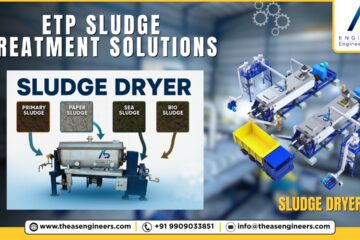
This is where a sludge dryer provides a clear advantage. By removing water, it drastically reduces the volume and weight of the sludge, making it cheaper to transport and dispose of. This simple step can lead to significant savings and a more streamlined waste management process, turning a major challenge into a manageable task.
Regulatory Standards and Environmental Impact
Meeting environmental regulations is non-negotiable for modern wastewater treatment plants. Strict rules govern sludge disposal to prevent land and water pollution. Improperly managed sludge can lead to leachate formation in landfills and other negative environmental impacts, making compliance a top priority.
Drying sludge is a powerful step toward better environmental stewardship. It transforms hazardous, wet waste into a stabilized, inert material. This reduces the risk of pollution and helps facilities meet pollution control standards more easily. Many modern drying systems are also designed with energy efficiency in mind, using advanced technology to minimize their own environmental footprint.
Key benefits for compliance and the environment include:
- Minimizing the need for landfills.
- Reducing foul odors and microbial growth.
- Lowering your facility’s overall environmental footprint.
Benefits of Advanced Sludge Drying Solutions
Investing in an advanced sludge dryer brings a host of benefits that go far beyond simple waste disposal. The primary advantage is a dramatic reduction in sludge volume. By removing most of the water, the drying process can slash your disposal costs by making the sludge lighter and more compact.
Furthermore, these systems enhance your operational energy efficiency. Modern sludge dryers are designed to optimize heat transfer and minimize energy consumption, making them a smart, cost-effective addition to your sludge management plan. They can turn a costly waste stream into a more efficient process.
Perhaps the most exciting benefit is the potential for resource recovery. Dried sludge can often be repurposed as a fuel source or even a soil conditioner. This transforms your waste from a liability into a valuable asset, supporting a more sustainable, circular approach to industrial operations.
Key Benefits of Using Sludge Dryers for Wet Sludge
Why should your facility consider a sludge dryer? The answer lies in the powerful benefits it offers for managing wet sludge. The drying process fundamentally changes the nature of your waste, making it easier and cheaper to handle. This translates into direct savings on disposal costs and improved operational workflows.
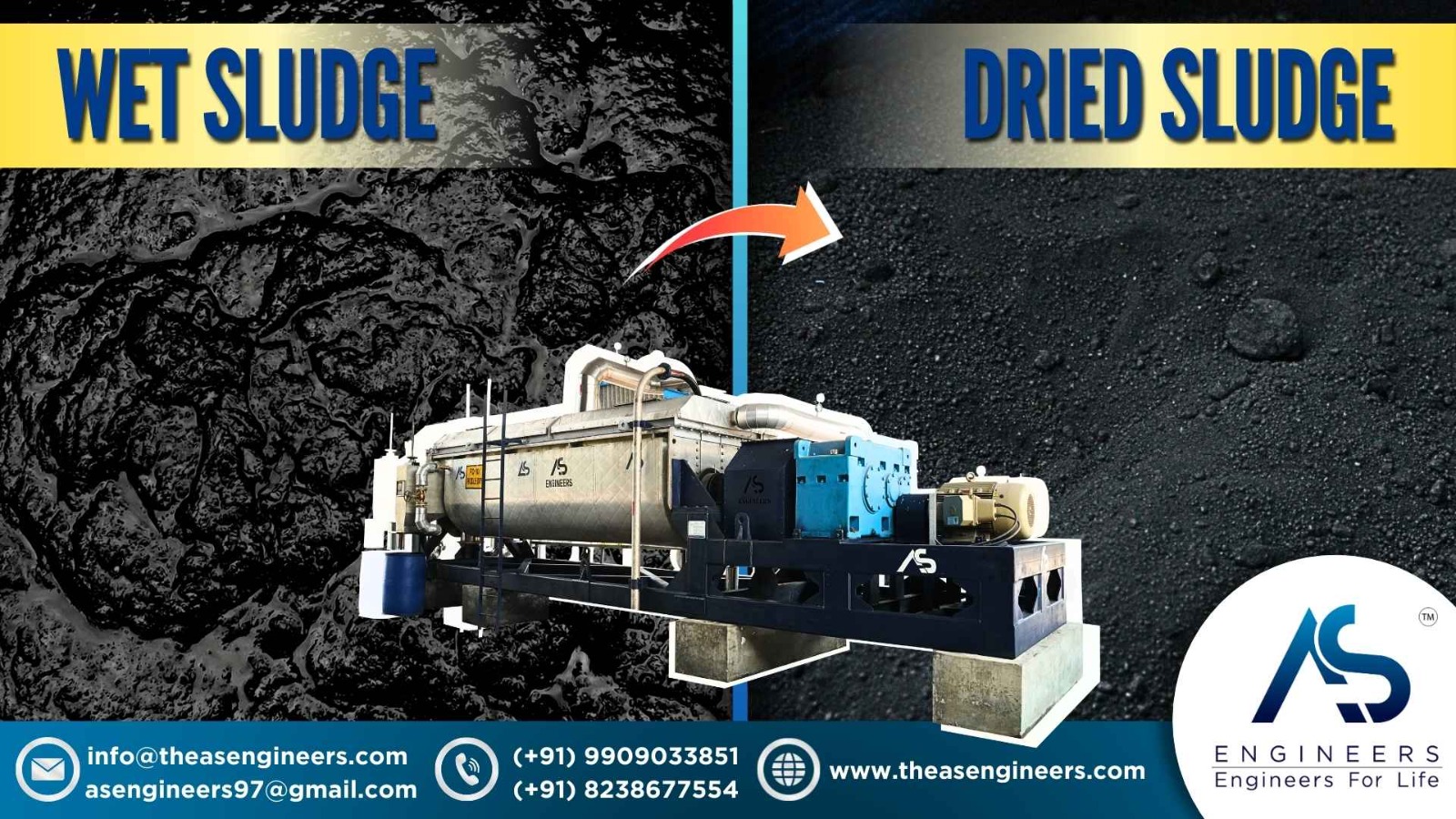
The transformation from wet sludge to dried sludge is where the magic happens. You’re left with a stable, low-volume material that is no longer a logistical burden. Below, we’ll explore how this leads to significant cost savings, opportunities for resource recovery, and greater overall efficiency.
Volume Reduction and Disposal Cost Savings
The most immediate financial benefit of a sludge dryer is significant volume reduction. Wet sludge is mostly water, which adds immense weight and bulk. By thermally drying the sludge, you can reduce its moisture content from over 80% to as low as 10%, drastically decreasing the overall sludge volume.
This reduction directly impacts your bottom line. Transportation and landfill fees are typically calculated by weight or volume. With a much lighter and more compact waste volume, your disposal costs can plummet. Some facilities report an average yearly savings of nearly 60% after implementing a sludge dryer.
Fewer truckloads are needed to haul away the waste, and the dried material takes up far less space in a landfill. These savings in logistics and disposal fees can quickly add up, providing a strong return on your investment and making the entire waste management process more economical.
Resource Recovery and Byproduct Utilization
A sludge dryer doesn’t just reduce waste; it can create a valuable byproduct. The process of sludge valorization turns what was once a costly problem into a new resource. Once the dry sludge is processed, it can be utilized in several beneficial ways instead of being sent to a landfill.
One of the most common uses for this byproduct is as a fuel source. The organic matter in the dried sludge has a calorific value, meaning it can be combusted to generate heat or electricity for industrial processes. This can reduce your reliance on external energy sources and lower your utility bills.
Other applications for the recovered material include:
- Use as a soil conditioner or fertilizer in agriculture.
- A soil substitute in landfill cover or construction projects.
- Material for compost or other purposes.
Enhancing Operational Efficiency
Modern sludge drying systems are engineered to boost your facility’s operational efficiency. Many are designed for continuous sludge processing, allowing for a steady, uninterrupted workflow. This eliminates the bottlenecks that can occur with batch processing and ensures a consistent output of dried material.
Energy consumption is a major consideration, and today’s dryers are more efficient than ever. They are designed to maximize thermal transfer and minimize heat loss, which keeps operating costs down. This focus on efficiency means you can achieve your waste reduction goals without a massive spike in your energy bills.
Furthermore, these machines are often built for low maintenance and durability. With robust construction and features designed for continuous use, you can expect reliable performance with minimal downtime. This reliability ensures your waste management process runs smoothly, freeing up your team to focus on other core tasks.
Types of Industrial Sludge Dryers Available
Not all sludge dryers are created equal. Different types of sludge dryers are available to suit various industrial needs, sludge characteristics, and capacity requirements. Common options include paddle dryers, rotary dryers, and belt dryers, each operating on a slightly different principle to achieve the same goal: efficient drying.
Choosing the right type of dryer depends on factors like your sludge consistency, available space, and energy sources. Understanding the features of each can help you select the most effective and economical solution for your facility. Let’s look at some of the most popular drying systems.
Paddle Dryers: Features and Advantages
A paddle dryer is a type of indirect drying system that is highly effective for various sludge types. It uses slow-rotating, wedge-shaped paddles to mix and move the sludge along a heated surface. Because the heat is transferred through conduction (contact) rather than convection (hot air), this method is known for its high thermal efficiency.
Unlike direct dryers that blow hot air over the sludge, a paddle dryer heats the paddles and the vessel walls. The sludge comes into direct contact with these hot surfaces, which speeds up the drying process and uses less energy. This indirect drying approach also reduces the amount of exhaust gas, which can lower the cost of air treatment systems.
The slow, continuous mixing action ensures uniform drying and can handle sludges that are sticky or thick. This makes paddle dryers a versatile and robust choice for industries that need reliable performance and want to maximize energy recovery and thermal efficiency.
Rotary Dryers: Applications and Suitability
Rotary dryers, also known as rotating drum dryers, are a type of convective or direct dryer. They work by tumbling the sludge inside a large, rotating drum while a stream of hot air passes through it. The constant movement exposes all surfaces of the sludge to the thermal energy, facilitating efficient water evaporation.
This type of dryer is well-suited for processing large volumes of various types of sludge. The design is straightforward and robust, making it a reliable workhorse in many industrial and municipal applications. The temperature and rotation speed can often be adjusted to handle different sludge consistencies and moisture levels.
Because they use a high volume of hot air, rotary dryers are effective at quickly reducing moisture. While they might have a larger footprint and different energy dynamics than indirect dryers, their ability to handle high capacities makes them a suitable choice for large-scale wastewater treatment plants.
Solar-Powered Sludge Dryers: Sustainability Focus
For facilities with ample space and a focus on sustainability, solar-powered sludge dryers present an eco-friendly option. These systems operate like large greenhouses, using the sun’s natural energy to evaporate water from the sludge. This significantly reduces the reliance on fossil fuels, lowering both operational costs and the environmental impact of the drying process.
While the primary energy source is free, these systems aren’t entirely passive. Many solar dryers use automated turning or mixing equipment to agitate the sludge, which speeds up the drying process by exposing fresh layers to the air. Some may also incorporate supplementary heating systems to ensure consistent performance during cloudy weather or at night.
Solar dryers are an excellent choice for:
- Municipalities looking for low-cost, low-energy solutions.
- Facilities in sunny climates where solar energy is abundant.
- Operations that prioritize sustainability and a low carbon footprint. Yes, they can effectively handle wet sludge, although the drying time is longer compared to thermal dryers.
Hybrid and Specialized Dryer Systems
Beyond standard models, many manufacturers offer hybrid and specialized drying systems to meet unique industry needs. These customized solutions combine features from different types of sludge dryers or use special materials to handle challenging waste streams. For example, a dryer might use a combination of indirect and direct heating to optimize energy efficiency and drying speed.
Specialized dryers are often necessary for industries with specific requirements. The food, dairy, and pharmaceutical sectors may need food-grade paddle dryers made from materials that meet strict hygiene standards. Similarly, facilities processing corrosive chemical waste require dryers built with corrosion-resistant alloys to ensure longevity and safety.
These customized solutions demonstrate the flexibility of modern sludge drying technology. By working with a knowledgeable manufacturer, you can get a system tailored to your specific type of sludge, energy sources, and operational goals, ensuring optimal performance and durability.
Selecting the Right Sludge Dryer Manufacturer in India
Choosing the right sludge dryer is only half the battle; selecting the right sludge dryer manufacturer is just as crucial. A good manufacturer is more than a supplier—they are a partner who can provide expertise, support, and a solution tailored to your needs. Look for a company with a strong industry reputation and a commitment to customer satisfaction.
Your decision should be based on several factors, including their technology offerings, ability to provide customization, and the level of support they offer after the sale. Taking the time to vet potential manufacturers will ensure you invest in a high-quality system that delivers reliable performance for years to come.
Credentials and Industry Reputation
When evaluating a sludge dryer manufacturer, start with their credentials and industry reputation. A company with years of experience in environmental and wastewater treatment solutions brings a depth of technical knowledge that is invaluable. Look for a manufacturer with a proven track record of successful installations in your industry.
Customer satisfaction is a strong indicator of reliability and quality. Seek out testimonials, case studies, and references from other clients. A reputable manufacturer will be transparent about their past projects and confident in the performance of their equipment. High-quality construction and consistent, reliable drying performance are hallmarks of a trusted name.
Ultimately, you want a partner you can trust. A strong industry reputation is built on delivering on promises, providing durable and efficient equipment, and ensuring customers are satisfied with their investment. Don’t underestimate the importance of choosing a manufacturer known for their unwavering commitment to quality.
Technology Offerings and Customization Options
A manufacturer’s range of technology offerings is a key factor in your decision. A company that provides multiple types of sludge dryers—such as paddle, rotary, or continuous belt dryers—is better equipped to recommend the ideal solution for your specific application, rather than pushing a one-size-fits-all product.
The ability to provide customization is equally important. Your sludge may have unique characteristics, or your facility might have specific space or energy constraints. A top-tier manufacturer can build specialized dryer systems tailored to your needs.
Look for a manufacturer that offers:
- Different models and capacities to match your sludge volume.
- Corrosion-resistant models for handling chemical or hazardous sludge.
- Food-grade versions for pharmaceutical or food industries. This flexibility ensures you get a system that is perfectly designed for your operation, maximizing efficiency and longevity.
After-Sales Support and Maintenance Services
The relationship with your manufacturer shouldn’t end once the dryer is delivered. Comprehensive after-sales support is critical for ensuring your equipment runs smoothly and maintains high operational efficiency. Look for a company that provides end-to-end support, from initial selection to long-term maintenance.
This support should include installation guidance, operator training, and readily available technical assistance. A manufacturer that invests in helping you get started on the right foot demonstrates a commitment to your success. Prompt servicing and access to spare parts are also crucial for minimizing any potential downtime.
Preventive maintenance services are another valuable offering. Regular check-ups and upkeep can prevent major issues down the line, extending the life of your equipment and ensuring it continues to operate safely and efficiently. A manufacturer that offers maintenance and repair services for their own line, and even for other brands, shows a deep commitment to the industry.
The Sludge Drying Process: Step-by-Step Overview
The transformation of wet sludge into a dry, granular product involves a clear, multi-stage drying process. It begins with preparing the sludge to make it suitable for thermal drying and ends with a final product that is easy to handle and store. A sludge dryer automates much of this sludge treatment journey, making it a highly efficient and controlled operation from start to finish.
Understanding these steps can help you appreciate how a sludge dryer works and how it integrates into your facility’s overall waste management system. From dewatering to final output, each stage is designed to systematically remove moisture and stabilize the material. Here’s a closer look at each phase of the process.
Pre-Treatment and Dewatering Methods
Before the thermal drying can begin, the wet sludge usually undergoes pre-treatment and dewatering. The goal of this initial step is to remove as much free water as possible through mechanical means, which is more energy-efficient than using heat alone. This significantly reduces the load on the sludge dryer.
A common piece of equipment used for this is a filter press. It dewaters the sludge slurry by squeezing it between plates, producing a “filter cake.” This cake typically has a much higher solids content than the original slurry. For example, a filter press can increase the solids from just a few percent to around 30% or more.
By reducing the initial moisture content through mechanical dewatering, you set the stage for a more efficient drying process. This pre-treatment step ensures that the thermal dryer has to evaporate less water, which saves time, energy, and money.
Equipment Operation and Monitoring
Once the dewatered sludge cake enters the dryer, the automated equipment operation takes over. Typically, the cake is fed into a receiving hopper. From there, it may be pushed through a screen to break it down into smaller, noodle-like shapes. This increases the surface area, allowing for more efficient drying.
The material then moves onto a conveyor system, such as a stainless steel mesh belt, which carries it through a heating chamber. Here, it passes under a series of heaters (often infrared) that apply controlled thermal energy. As the material travels, the heat evaporates the remaining moisture. Process monitoring is managed through user-friendly controls, like a PLC with a touch screen, that allow operators to adjust settings and monitor for faults.
Modern drying systems are designed with safety protocols in mind, featuring alarms and automatic shut-offs to ensure safe and reliable operation.
Final Output Handling and Storage
After the drying cycle is complete, the final output is a dry, granular material. This dry sludge is a stable byproduct of wastewater treatment that is significantly lighter and less odorous than its wet counterpart. The handling and storage of this material are far simpler and safer.
The dried product exits the dryer and is typically collected in a container or bag for removal. Because it is lightweight and solid, it can be easily transported without the risk of spills or leaks. Storage requirements are also minimal, as the dry material is stable and occupies a fraction of the space needed for wet sludge.
Depending on its composition, the final product can be managed in several ways:
- Sent for final disposal of sludge in a landfill at a much lower cost.
- Stored for use as a biofuel or other energy source.
- Packaged for sale as a soil conditioner or fertilizer.
Energy Efficiency and Sustainability Innovations
As industries increasingly focus on sustainability, sludge dryer manufacturers have responded with innovations that boost energy efficiency. Modern drying systems are not just about removing water; they are about doing so with the least amount of energy possible. This is achieved through smarter designs and advanced energy recovery mechanisms.
These innovations help reduce the operational cost and carbon footprint associated with sludge drying. By recapturing and reusing thermal energy, today’s dryers align with the goals of sustainable industrial practices, making them an environmentally responsible choice.
Energy Recovery Mechanisms in Modern Dryers
A key feature of energy-efficient dryers is their ability to recover and reuse heat. For example, in indirect drying systems like paddle dryers, the enclosed design minimizes heat loss to the surrounding air. The high thermal efficiency ensures that most of the thermal energy is used for evaporating water rather than being wasted.
Some advanced systems, particularly in larger wastewater treatment plants, integrate thermal hydrolysis with anaerobic digestion. This process not only improves sludge dewaterability, reducing the energy needed for drying, but also increases biogas production. This extra biogas can then be used to generate the steam or heat required for the dryer, creating a self-sustaining energy loop.
These sustainable practices are designed to lower overall energy consumption. By optimizing heat transfer and implementing clever energy recovery strategies, modern dryers can significantly reduce the fuel or electricity required, making the entire sludge management process more economical and eco-friendly.
Emission Control and Environmental Compliance
Beyond energy efficiency, modern drying systems are designed to meet strict environmental compliance standards for emissions. The drying process can release odors and volatile organic compounds (VOCs). To manage this, many dryers are equipped with emission control technologies.
A common solution is a wet scrubber. As air is drawn through the heat chamber, it passes through the scrubber, which cleanses it of particulates and odors before it is released into the atmosphere. This ensures that the plant remains in compliance with air quality regulations and maintains a good relationship with the surrounding community.
Effective emission control is a critical aspect of sustainable operations. It demonstrates a commitment to not just managing solid waste but also protecting air quality. Key features include:
- Integrated scrubbers to treat exhaust air.
- Enclosed systems to minimize fugitive emissions.
- Designs that reduce the overall volume of air requiring treatment.
Safety Considerations in Sludge Dryer Operations
Operating any industrial equipment requires a strong focus on safety, and a sludge dryer is no exception. These machines involve high temperatures and moving parts, making operational safety a top priority. Establishing clear safety protocols for operators is essential to prevent accidents and ensure a secure working environment.
Proper training, regular preventive maintenance, and well-defined emergency procedures are the pillars of a safe operation. A reliable manufacturer will often provide guidance on these aspects, but it is the facility’s responsibility to implement and enforce them rigorously. A well-maintained machine is not only more efficient but also significantly safer for everyone involved.
Key Safety Protocols for Operators
Clear safety protocols are fundamental for anyone operating a sludge dryer. Given that these machines work with high temperatures and are often in continuous use, comprehensive training on proper operation is the first line of defense. Operators should be well-versed in the machine’s functions, control panel, and potential hazards.
Modern dryers incorporate built-in safety features to enhance operational safety. These can include fault alarms that alert operators to issues, automatic shut-off systems, and guards over moving parts. Operators must be trained to recognize and respond to these alarms immediately.
Essential safety protocols for operators should always include:
- Wearing appropriate personal protective equipment (PPE).
- Understanding the emergency stop procedures.
- Never bypassing safety guards or features. Following these rules helps protect personnel from burns, mechanical injuries, and other risks associated with heavy machinery.
Preventive Maintenance and Emergency Procedures
A proactive approach to dryer maintenance is crucial for both safety and operational efficiency. A preventive maintenance schedule helps identify and address potential issues before they become major problems. This includes regular checks of bearings, motors, conveyor belts, and heating elements.
Keeping the equipment clean and well-lubricated ensures smooth operation and reduces wear and tear, extending the life of the dryer. A well-maintained machine is less likely to fail unexpectedly, which is a key aspect of ensuring a safe work environment. Many manufacturers offer maintenance services or provide detailed guidelines for in-house teams.
In addition to maintenance, having clear emergency procedures is vital. All operators should know what to do in case of a fire, mechanical failure, or other unexpected events. This includes knowing the location of emergency stops and fire extinguishers and understanding the proper shutdown sequence. Regular drills can help reinforce this training.
Comparing Leading ETP Sludge Dryer Manufacturers in India
When searching for high-quality Effluent Treatment Plant (ETP) sludge dryers in India, several manufacturers stand out for their technology offerings, industry experience, and customer support. These companies provide robust solutions for managing industrial sludge from various sectors, including chemical, pharmaceutical, textile, and food processing. Comparing them based on key criteria can help you make an informed decision.
A good comparison should look at the types of dryers they offer, their customization capabilities, and their reputation for reliability. Below is a brief overview of what to consider when looking at leading manufacturers.
| Feature to Compare | Description |
|---|---|
| Technology Offerings | Does the manufacturer offer different types of dryers (e.g., paddle, belt, rotary) to suit various sludge types and applications? |
| Customization | Can they provide customized solutions, such as corrosion-resistant materials or food-grade designs, for specialized industrial sludge? |
| Industry Experience | Do they have a proven track record and expertise in the wastewater treatment industry in India? |
| After-Sales Support | Do they offer comprehensive support, including installation, training, maintenance, and readily available spare parts? |
Top Manufacturer Profiles and Product Highlights
You can significantly reduce your drying costs – sometimes by upto half – with our paddle dryers. As a leading manufacturer, AS Engineers offers efficient, high-quality paddle dryers that maintain product quality and work with various materials, including industrial, ETP, and STP sludge. Trust us for reliable dryers built to save you time and money.

When profiling a top manufacturer, look for product highlights such as:
- A wide range of available models and capacities.
- Use of durable, high-quality materials like stainless steel.
- Innovative features like advanced automation and safety alarms. These highlights are a good indicator of a company’s commitment to quality and innovation.
User Feedback and Reliability Ratings
While a manufacturer’s claims are important, user feedback and reliability ratings provide a real-world perspective on performance. High customer satisfaction is often the best measure of a product’s quality and the manufacturer’s dependability. Look for testimonials and reviews from companies in industries similar to yours.
A proven track record with clients from diverse sectors—such as chemical, pharmaceutical, and municipal—indicates that the sludge dryer is versatile and reliable. A manufacturer that proudly shares its client list or case studies is likely confident in its products and service.
This trust is earned over time by consistently delivering on promises of performance, durability, and support. When you see positive user feedback that highlights a machine’s reliability, ease of use, and the manufacturer’s responsiveness, it’s a strong sign that you are considering a trustworthy partner for your sludge management needs.
Case Studies: Successful Implementations
Case studies offer concrete proof of a sludge dryer’s capabilities. A successful implementation story can show you exactly how a manufacturer’s technology solved a real-world problem for a wastewater treatment plant. These stories often provide valuable data on performance, such as the percentage of volume reduction or energy savings achieved.
For instance, the Psyttalia wastewater treatment plant in Athens, Greece, used a thermal hydrolysis process in conjunction with their dryers to great effect. This successful implementation led to a 16% increase in biogas production, a higher dryness level in the final cake, and a 40% reduction in the dryer’s energy demand.
By reviewing case studies, you can see how a sludge dryer performs in a specific application, whether it’s for a municipal STP or an industrial ETP. These real-world examples are powerful tools for evaluating a manufacturer’s expertise and the effectiveness of their solutions.
Sizing and Capacity Selection Guidelines for Facilities
Choosing the correct sizing and capacity for your sludge dryer is critical for achieving optimal performance and efficiency. An undersized unit will create a bottleneck in your waste management process, while an oversized one will lead to unnecessary capital and operational costs. The right choice depends on a careful assessment of your facility’s specific needs.
To make the right decision, you need to analyze your sludge characteristics and match the dryer’s capacity to your daily waste generation. Thinking about future growth is also important. These guidelines will help you select a dryer that is perfectly suited to your operation.
Assessing Input Sludge Characteristics
The first step in sizing a sludge dryer is to thoroughly assess the characteristics of your input sludge. The single most important factor is the initial moisture content. A sludge with 80% moisture will require significantly more drying capacity than one that has been dewatered to 70% moisture.
Different sludge types also behave differently during the drying process. For example, a sticky, biological sludge may require a different type of dryer or different operational settings than a more granular industrial sludge. Understanding the physical and chemical properties of your waste is essential.
You should gather data on your sludge’s consistency, composition, and average solids content. Providing this information to a potential manufacturer will help them recommend the most appropriate technology and size for your application, ensuring the drying process is as efficient as possible.
Matching Dryer Capacity to Waste Generation
Once you know your sludge characteristics, you need to match the dryer capacity to your facility’s waste generation rate. You should calculate the average and peak sludge volume you produce daily. This will help you determine the required throughput for the dryer, often measured in cubic feet or kilograms per hour.
Manufacturers typically offer their drying systems in various models to suit different capacities. For example, M.W. Watermark offers the DM-200G, which processes up to three cubic feet per hour, and the larger DM-380G, which can handle up to six cubic feet per hour. This allows you to choose a machine that aligns with your current output.
When selecting a capacity, consider the following:
- Average daily sludge volume.
- Peak generation periods.
- Your operational schedule (e.g., 8 hours a day vs. 24/7 operation). It’s often wise to choose a capacity with a slight buffer to handle any unexpected increases in sludge volume.
Scale-Up Strategies for Growing Operations
Smart waste management involves planning for the future. If you anticipate your operations will grow, it’s wise to consider scale-up strategies when selecting a sludge dryer. A facility that plans for expansion can avoid the costly process of replacing an undersized unit down the road.
One strategy is to invest in a dryer with a slightly larger dryer capacity than you currently need. While this may have a higher initial cost, it provides a buffer for growth. Another approach is to choose a modular drying system that allows you to add more units as your waste generation increases.
Discuss your long-term plans with potential manufacturers. A good partner can help you develop a flexible scale-up strategy, ensuring your sludge drying equipment can grow with your business. This foresight helps maintain operational efficiency and makes your initial investment more sustainable over time.
Emerging Trends in Sludge Dryer Technology
Sludge drying technology is constantly evolving, with new trends focused on making the process smarter, more efficient, and more sustainable. Key developments include greater automation and digital integration, which allow for more precise control and monitoring. These advancements help optimize performance and reduce the need for manual oversight.
At the same time, there is a growing emphasis on the circular economy and sludge valorization. The goal is no longer just to dispose of sludge but to transform it into a valuable resource, closing the loop on waste and creating new revenue streams.
Automation and Digital Integration
One of the most significant trends in modern drying systems is the move toward advanced automation and digital integration. Today’s sludge dryers are often equipped with sophisticated process monitoring tools that allow for real-time adjustments, ensuring optimal operational efficiency.
Features like user-friendly PLC (Programmable Logic Controller) systems with full-color touch screens make it easy for operators to control the drying process. These interfaces can display key data, track performance, and provide fault alarms to alert staff to any issues immediately. This level of control helps maintain consistent results and enhances safety.
This digital integration means the drying process can be fine-tuned for maximum energy efficiency and throughput. By automating adjustments based on sensor feedback, these smart systems reduce the chance of human error and ensure the dryer is always running at its peak performance.
Circular Economy and Sludge Valorization
The concept of a circular economy is reshaping how we think about waste, and sludge is no exception. Sludge valorization is the process of converting this waste material into valuable products, and sludge dryers are a key enabling technology for this trend. By producing a dry, stable material, dryers open the door to numerous resource recovery opportunities.
Instead of paying to send sludge to a landfill, facilities can now generate revenue from it. The dried byproduct can be used in various applications, supporting a more sustainable and profitable waste management model. This aligns perfectly with the principles of a circular economy, where waste is minimized and resources are kept in use for as long as possible.
Common byproduct utilization pathways include:
- Combustion as a biofuel to generate energy.
- Use as a nutrient-rich fertilizer or soil conditioner in agriculture.
- Incorporation into construction materials like cement.
Conclusion
In summary, managing wet sludge efficiently is crucial for industries and municipalities alike. The insights provided in this blog highlight the importance of advanced drying solutions, which not only reduce volume and disposal costs but also facilitate resource recovery. As you explore different types of sludge dryers, it’s essential to consider factors such as manufacturer reputation, technology offerings, and after-sales support to ensure optimal performance. Keeping up with emerging trends, including automation and sustainability innovations, can further enhance your operations. If you have any questions or want to learn more about selecting the right sludge dryer for your needs, get in touch with us today!
Frequently Asked Questions
What factors should be prioritized when choosing a sludge dryer for wet sludge management?
When choosing a sludge dryer for wet sludge, prioritize the sludge type and moisture content, required equipment size and capacity, and overall energy efficiency. Also, consider the manufacturer’s reputation, customization options, and the level of after-sales support they provide to ensure your drying system meets your long-term operational needs.
Can solar-powered sludge dryers handle wet sludge from wastewater treatment plants effectively?
Yes, solar-powered sludge dryers can effectively handle wet sludge from wastewater treatment plants, especially for facilities with ample space and a focus on energy efficiency. While the drying process is slower than thermal methods, they offer a sustainable, low-cost solution by using the sun’s natural energy to evaporate moisture.
How do paddle dryers differ from other sludge drying technologies?
A paddle dryer uses an indirect drying method, where heat is transferred to the sludge through contact with heated paddles and surfaces. This differs from direct dryers that blow hot air over the sludge. This approach offers higher thermal efficiency, better heat transfer, and lower air emissions, boosting operational efficiency.